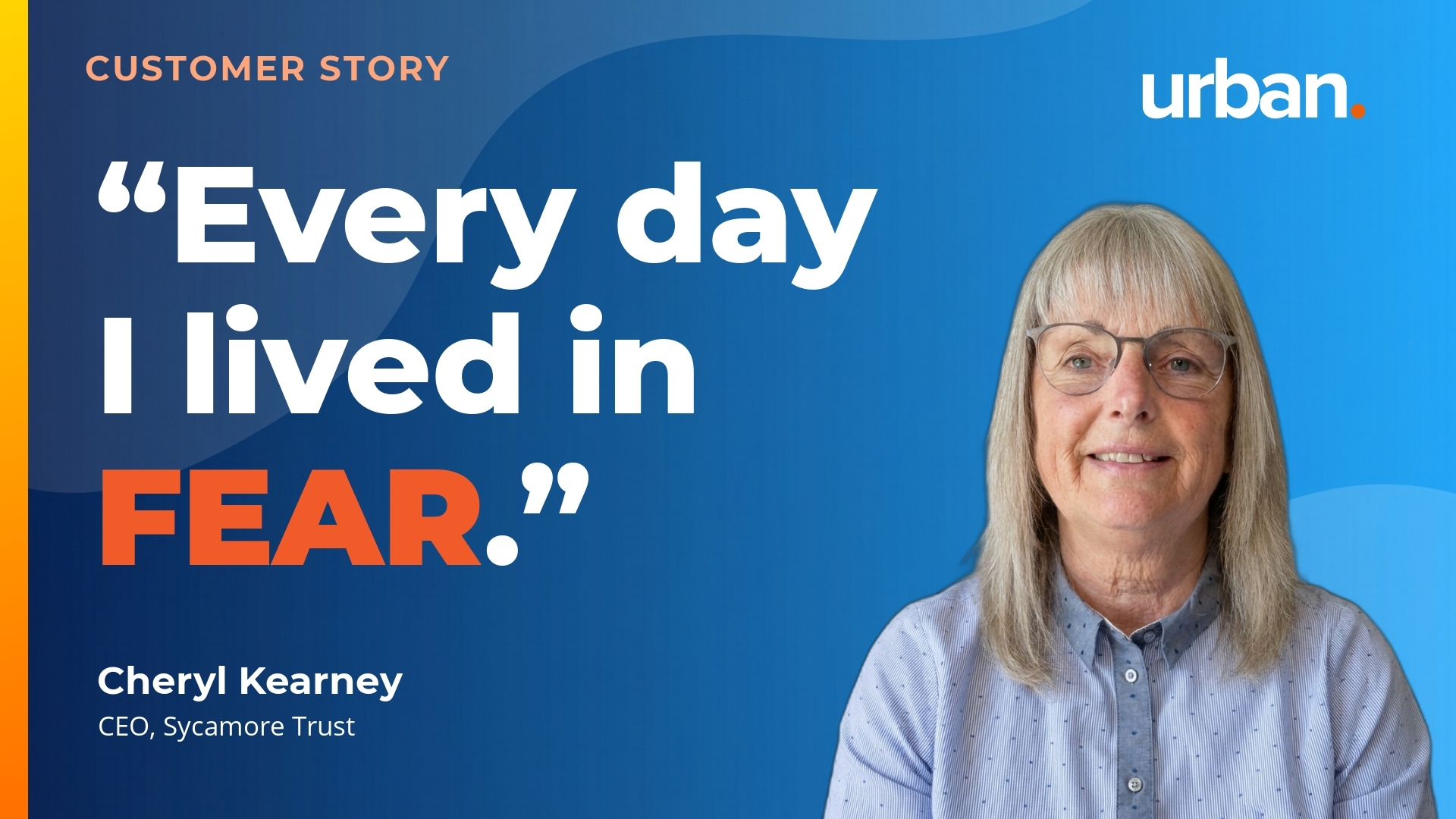
Interviewed for Urban Network
Cheryl Kearney
CEO, Sycamore Trust
A thirty-year charity that lived in fear the server would break. Now: peace of mind, and thirty per cent less admin.
It is sitting in an email, or a Google review, or on a page nobody visits. We get it on camera, organise it by the sector and the person it convinces, and put it where the deal actually happens.
Four findings, each from a primary source, and they compound in a way that is heavier for an MSP than for almost anyone else.
Gartner puts supplier meetings at seventeen per cent of a B2B buying journey. Everything else is your buyer reading, comparing and deciding on their own.
6sense finds buyers make no contact until roughly seventy per cent of the way through, start that contact themselves eighty-three per cent of the time, and that whoever is engaged at first contact wins nearly eighty per cent of deals.
Research from Northwestern found the effect of reviews roughly doubles on higher-priced, higher-consideration purchases. An MSP contract is expensive, bought rarely and painful to reverse, which puts it at the top of that range.
Michael Luca at Harvard found a one-star improvement is worth five to nine per cent more revenue to an independent business, while chains barely benefit, because a chain carries its own brand information and an independent lives entirely on what other people say about it.
Every MSP is the independent in that study.
So your buyer decides alone, mostly before you know they exist, about a purchase priced exactly where proof does its heaviest lifting, from a company with no brand to fall back on. And the bottleneck moved recently: in Kaseya's 2026 survey of 1,061 MSPs, “inability to quickly demonstrate value” nearly doubled from 10% to 19% in a single year, overtaking lead generation as the top obstacle to winning clients. The problem stopped being finding prospects and became convincing them.
Copy asserts. Only another buyer reassures.
We audited an entire IT group's web estate and expected to find nothing. We found the opposite: advocates already on record, pages already built and ranking, films already paid for, and the proof never met the place it was needed. Every brand fell into one of six patterns. All six are countable from a website in ten minutes.
The customer is named on the homepage. By the time a buyer reaches the case study, that same person is "IT Director, financial services, 200 seats". The proof gets weaker exactly where it needs to be strongest.
Every story quarantined on /testimonials, which is a page buyers reach after they have already decided, if they reach it at all.
Gated behind a form, or set to noindex, or both. Invisible to search, invisible to the chatbot your buyer is now asking first, invisible to the buyer.
The same three quotes rotating site-wide, so they read as decoration rather than evidence. Nobody stops to read furniture.
Industry and location pages that rank, get visited, and carry nothing a customer ever said. This is the largest group and the fastest thing to fix.
Credentials, awards and customer stories disappear at consolidation, because preserving them was nobody’s job. Years of proof written off in a migration.
It takes a minute, and it is usually the moment this stops being theoretical. If you would rather we did it properly, we will audit your site against the standard and send you what we find, whether or not you ever buy anything.
Get your proof auditNot vendor stories about MSPs. Two managed service providers who put their own end customers on camera, and what came back.
CEO, Sycamore Trust
A thirty-year charity that lived in fear the server would break. Now: peace of mind, and thirty per cent less admin.
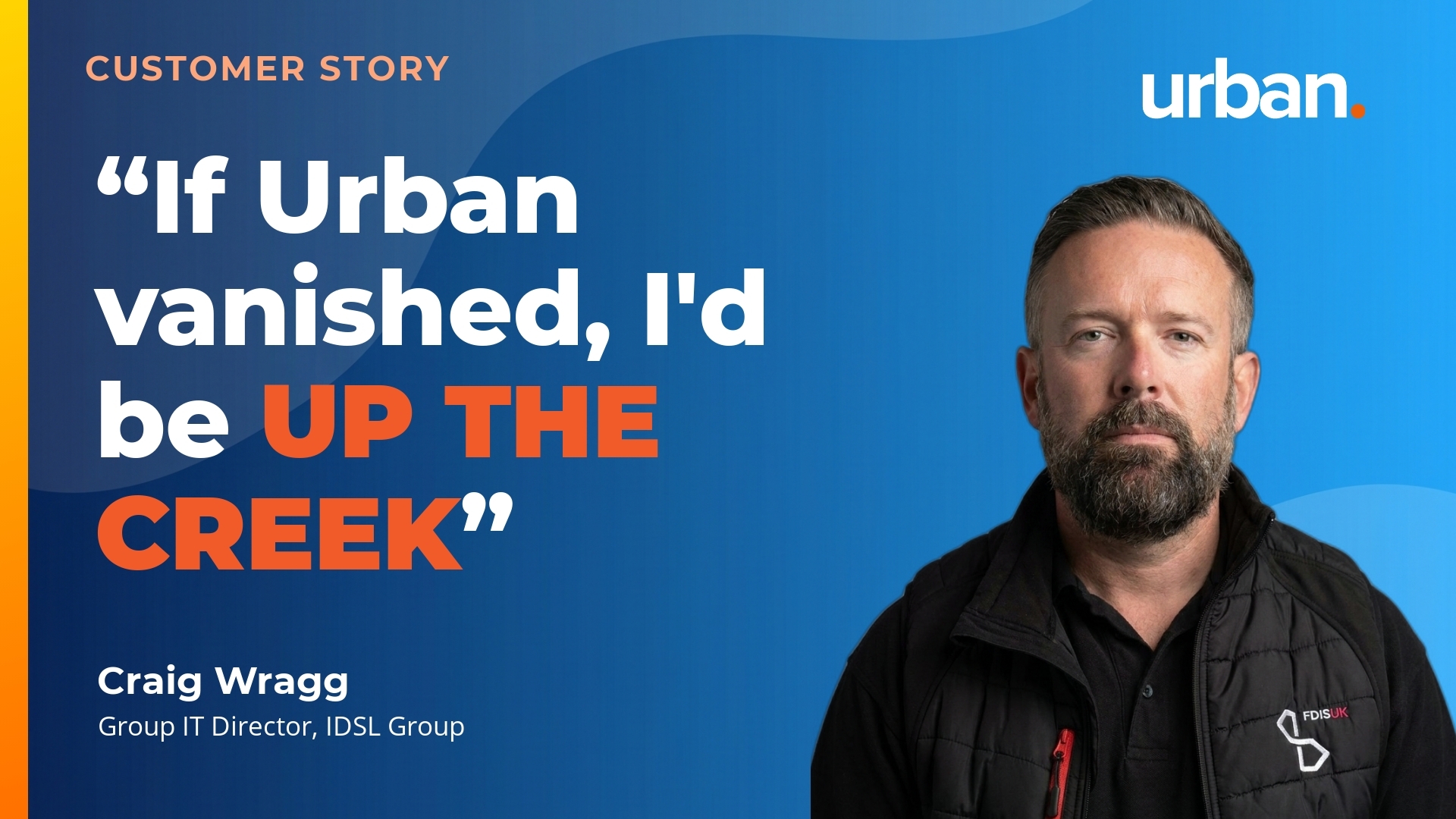
Group IT Director, IDSL Group
Co-managed IT that handed a manufacturer twenty per cent capacity back, without adding headcount.
More of the work, vendor and MSP, is on the main showcase.
Most of this industry sells the first one and stops.
Anyone can hire a camera. Most testimonial videos are shot beautifully and say nothing, because the questions were generic and nobody chased the real story while the customer was still in the room. Fifteen years in the channel goes into the questions, not the kit. One hour of your customer's time, and we do the outreach, the scheduling and the chasing.
A case study is an artefact. A library is a map with visible gaps. Every story is tagged by the sector it convinces and the service it evidences, then placed: which page, which position, which cut, which quote, for which visitor. And because a story does not stop working the day the deal closes, the pack includes the internal guide telling a salesperson which clip to send and when.
Marketing uses a story once. A seller uses it weekly.
Video converts the human, text converts the machine, and one conversation gives you both. Every pack ships with the schema and the citation sheet, because a testimonial is quotations and statistics by construction, which is exactly what gets cited.
Yes, and this is the objection we hear most from MSPs. Some clients genuinely cannot be named: legal, defence, finance, anyone mid-acquisition. That is real. But "we cannot name them" usually does more work than it should, because in most cases nobody has actually asked. The name came off as a precaution, months later, by someone who was not in the room when the customer agreed to be filmed. So we ask in order. Can we name the person and the company. If not, can we name the person and describe the company. If not, can we name the sector, the size and the specific outcome, and put a real face on camera saying it. That third version still beats an anonymous quote, because a real person saying "we went from four hours to twenty minutes" is evidence whether or not their employer is named. Of the three, the anonymous quote is the only one that convinces nobody.
One hour, once. That is the entire ask, and we handle the outreach, the scheduling and the chasing so you are not the one sending the awkward email. Nothing is memorised and nothing is scripted. It is recorded rather than live, so anything said by mistake can be cut, and your customer is never asked to reveal anything confidential.
That is the normal outcome, and it is the problem we exist to solve rather than a reason not to try again. A film with no decision behind it about where it goes will sit wherever it was uploaded. Every project here ships with the placement decided: which page, which position, which cut, which quote, for which visitor, plus the internal guide telling a salesperson which clip to send and when. Marketing uses a story once. A seller uses it weekly.
Fifteen years in the channel, and James runs every interview himself. That is the constraint on how many we take and it is also the whole point. Your customer does not have to explain what an MSP is, what co-managed means or why the migration mattered, so the hour goes on the story rather than the background. Production is buyable. Anyone can hire a camera.
Then you do not pay. If we cannot get it to a standard you are proud to publish, you get a full refund.
One hour of their time, from £1,295 a story, and fourteen business days from filming to hand-over. If we cannot get it to a standard you are proud to publish, you do not pay.